Home-Start has a responsibility for both its direct staff and to help support the wider Home-Start network in its response to prevent the spread of coronavirus among staff, volunteers and those we work with including families, partners and suppliers.
February 2020 (last updated 12 February 2020)
Since its first reported outbreaks in China, coronavirus has hit global headlines with the World Health Organisation declaring a global public health emergency. It remains very unlikely that someone in the UK has contracted coronavirus and most cases reported to date are mild with fatalities being amongst those who have underlying conditions that make them more vulnerable. Measures are also being taken by relevant authorities to limit the spread.
However, because cases have been confirmed in the UK and the UK Chief Medical Officers have raised the risk to the public from low to moderate the Home-Start network needs to prepare the steps it should take as an employer and charity to prevent the spread of coronavirus among staff, volunteers and those we work with including families, partners and suppliers.
Home-Start UK has a responsibility for both its direct staff and to help support the wider Home-Start network in its response. We are not public health experts so we will rely on following and sharing the latest advice and guidance issued by government and public health agencies.
It is also important to note that public health emergencies like this do create stress and anxiety. The World Health Organisation has created these handy fact-sheets for helping adults and children manage anxiety and stress that may be triggered by this outbreak.  You can find them here: https://www.who.int/emergencies/diseases/novel-coronavirus-2019/advice-for-public
About the coronavirus
Coronavirus is a type of virus and typical symptoms include fever and a cough that may progress to a severe pneumonia causing shortness of breath and breathing difficulties.
Not a lot is known about this new strain of virus at this stage but the speed and scale of the epidemic is of concern. Coronavirus is of particular risk to people with weakened immune systems, older people, and those with long-term conditions like diabetes, cancer and chronic lung disease. Many countries and organisations have implemented responsive measures including travel restrictions to and from China and measures to isolate known cases.
Common signs of the coronavirus are:
• Fever
• Cough
• Runny nose
• Sore throat
• Difficulty breathing
Most cases of coronavirus appear to be mild, with those who have been most affected were already suffering from underlying health conditions that leave them more vulnerable to respiratory conditions. Read more about signs and symptoms from the World Health Organisation and from Public Health England.
It is thought that the coronavirus is spread in the same way that other similar viruses are spread – through small droplets released by coughs and sneezes, and through touching your mouth and eyes when the virus is on your hands (e.g. by touching contaminated surfaces).
The primary response suggested for people who suspect coronavirus is to contact NHS 111 immediately for advice and to stay indoors and away from others.

Be aware that public health emergencies like this do create stress and anxiety. The World Health Organisation has created these handy fact-sheets for helping adults and children manage anxiety and stress that may be triggered by this outbreak. https://www.who.int/emergencies/diseases/novel-coronavirus-2019/advice-for-public.Precautionary measures to reduce the spread of the virus

•    cover your mouth and nose with a tissue or your sleeve (not your hands) when you cough or sneeze
•    put used tissues in the bin straight away
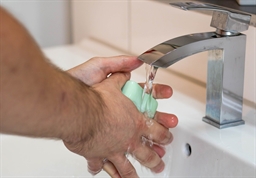
•    wash your hands with soap and water often – use hand sanitiser gel if soap and water are not available
•    try to avoid close contact with people who are unwell
Don’t
•    do not touch your eyes, nose or mouth if your hands are not clean

Where staff and volunteers have colds, there is no advice at this stage to suggest anything more than normal good practice.  With mild symptoms of colds, practice the hygiene measures above, and where possible look at options for people to work remotely or with social distance (at least 1 metre) between other people, particularly those who are coughing or sneezing.

In the event of anyone developing the symptoms described above and suspect you may have otherwise contracted the coronavirus. The immediate advice is as follows:

•    Stay indoors, and avoid contact with other people
•    Call NHS 111 immediately. They will be able to talk to you about your symptoms and offer you medical advice.
•    Do not go to your GP or hospital unless you are instructed to do so.

In the case of Home-Start staff or volunteers recently returned from named countries, then please be clear to follow official advice on travel – and be aware of the latest updates on countries where specific measures are being implemented.


Home-Start Bracknell Forest
Privacy Overview

This website uses cookies so that we can provide you with the best user experience possible. Cookie information is stored in your browser and performs functions such as recognising you when you return to our website and helping our team to understand which sections of the website you find most interesting and useful.

You can find our Cookies Policy located here. (Opens in a new browser window, close it to return to here)

Your can find our Privacy Policy located here. (Opens in a new browser window, close it to return to here)